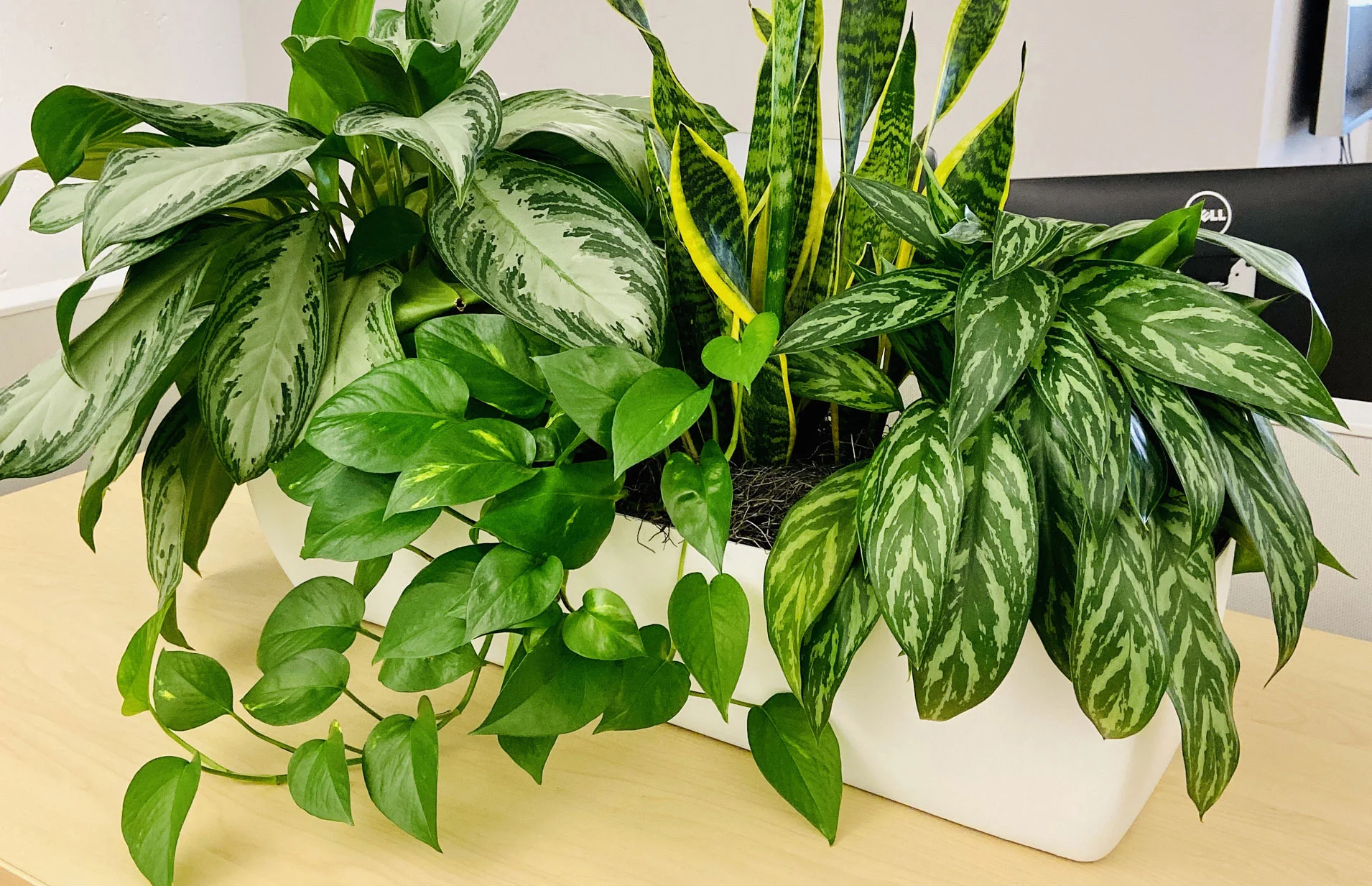
Philodendrons – these make great indoor/office plants because there are so many different kinds. There are some who suggest there are more than 900 species. Philodendrons have large and even imposing leaves and can be oval or spear-shaped. There are two major groups of Philodendrons – climbing (vining) and non-climbing (solitary, non-vining).
Pothos – plants that have large green leaves. They are flowering plants and cover a wide variety that are used indoors. Pothos are extremely successful indoors – it’s almost like they evolved to grow indoors.
Aglaonema (Aglos) – large green leaves with lighter marks on them differentiate Aglaonema from some of the other plants in this list. There are many different varieties of Aglos, including newer varieties with pink and red colors in the stems and leaves. In some cultures, they are known for bringing good luck.
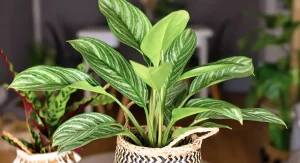
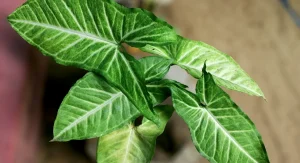
Nephthytis – a plant with white and green leaves that are usually arrow-shaped. These need to be kept away from any animals, such as pets, because they can be toxic.
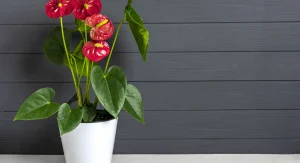
Anthuriums – a popular indoor and office plant because of the colorful blooms that come with them.
Dracaena – there are about 40 species within this genus and very related to another plant on this list, the sansevieria. Some species are large and tree-like, but some are shrub-sized and make great office plants. Cane Dracaenas are great if you are looking for a plant with substantial height.
Palms – various types of palms such as the Rhapis palm and the Kentia palm are very good for office plants if you are looking for something a little taller. They do well in medium to low lights, but they are not really low maintenance, so be aware of that.
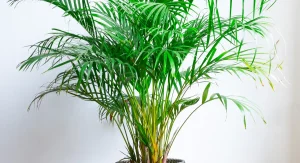
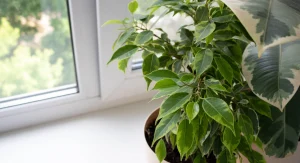
Ficus trees – if you are really looking to add something taller to your indoor space then consider one of several types of Ficus. Most Ficus trees require medium to high light.
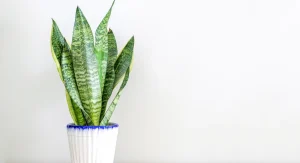
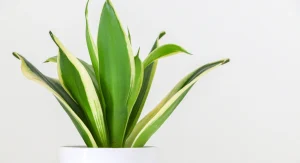
Sansevieria – a genus of flowering plants that are native to Africa. They tend to have long, tall, green leaves around a central growing point. They usually produce flowers of varying colors from greenish-white, lilac-red or brown. Sansevieria tolerates some of the lowest light conditions.
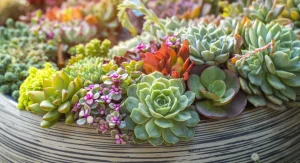
Succulents – plants with thick, fleshy, leaves that allow them to retain a lot of water. They tend to need plenty of light, so be wary of that, but these plants are famous for being drought-resistant. Avoid over-watering succulents.
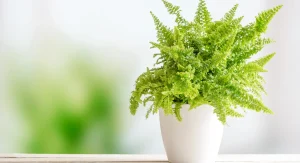
Ferns – a type of plant that you are probably very familiar with. They do well in low lights and indoors, but they do require a consistent moisture and humidity level in order to thrive.